When Emma Raducanu walked into Fast Retailing’s headquarters in Tokyo on February 24, 2026, and was officially unveiled as Uniqlo’s newest global brand ambassador, she wasn’t just changing the logo on her shirt. She was making a calculated, career-defining statement about what she is, who she wants to be, and how she plans to build one of the most commercially powerful identities in women’s sport.
The numbers alone tell a striking story. But the reasons behind the switch go much deeper than the paycheck.
The Money Gap Was Embarrassing
Let’s start with the financials, because they are genuinely startling.
For years, Nike’s apparel deal with Raducanu was reported to be worth approximately $130,000 per year — around £100,000. That’s it. For one of the most recognized athletes on the planet, the winner of the 2021 US Open, a player who at her commercial peak in 2023 earned $15 million in sponsorship income despite playing only ten competitive matches that year, Nike was paying her roughly what a mid-level corporate employee makes in the United States.
By contrast, her new deal with Uniqlo is reported to be worth approximately $3.5 million annually — an increase of more than 26 times what Nike was paying her for apparel. The deal also includes performance bonuses, meaning the ceiling is even higher if her on-court results continue to improve.
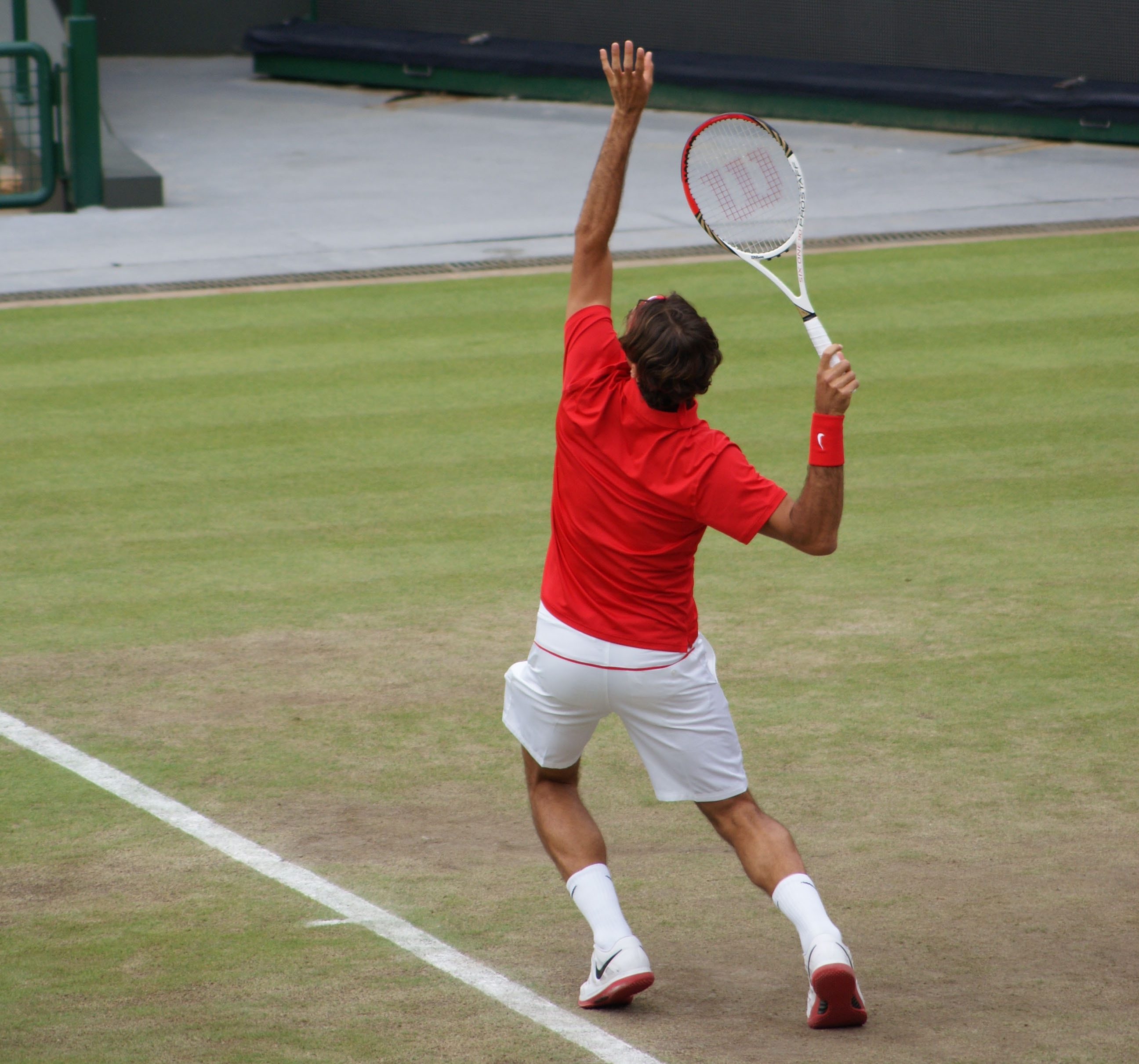
To put the Uniqlo figure in context: it exceeds the reported $3 million annual Nike deal held by world number one Aryna Sabalenka. It puts Raducanu in a completely different financial bracket for her apparel partnership alone. And it follows the same path blazed by Roger Federer in 2018, when he left Nike — where he had been earning a reported $10 million per year — for Uniqlo’s 10-year, $300 million contract. The parallel is not lost on anyone watching.
Nike Had Been Undervaluing Her for Years
The gap between what Raducanu was earning from Nike and what she was generating for other sponsors tells you everything you need to know about how Nike valued her relative to the rest of the market.
Her deals with Dior and Tiffany & Co. were each worth an estimated $2 million per year. Her now-defunct Vodafone partnership had been worth $3 million annually before it ended in 2025. Even her Wilson racket deal was reportedly in the same ballpark as her Nike arrangement. A sportswear giant was paying her roughly the same as a racket manufacturer.
Nike had been with Raducanu since 2018, before she turned professional, when the original deal was structured for a promising teenager. After she won the US Open in 2021 — becoming the first qualifier in history to win a Grand Slam without dropping a set — Nike renewed the deal, but reports suggest the financial terms were not dramatically restructured to reflect her new global status. The market had moved, and Nike had not moved with it.
Frances Tiafoe was in a nearly identical position before he left for lululemon. He made the same observation publicly: Nike wasn’t matching what the open market was offering him. Jack Draper, Taylor Fritz, Lorenzo Musetti, Grigor Dimitrov — the list of players who have quietly exited Nike’s tennis roster in the past two years is long, and in each case, the story is broadly the same. Nike is concentrating its tennis money on a small number of elite contracts — Carlos Alcaraz reportedly at $20 million per year, Jannik Sinner at approximately $15.8 million — and everything else is being managed on the cheap.
For a player with Raducanu’s profile and commercial reach, being treated like a filler contract while the brand’s attention was clearly elsewhere became untenable.
The Creative Control Factor
Money matters, but for Raducanu, the terms of the creative relationship appear to have been equally important.
One of the most consistent themes in the reporting around her Uniqlo switch is the active role she will play in designing her own on-court kits. She is expected to work directly with Uniqlo’s design teams on both the aesthetics and functional requirements of her apparel — a level of input that was simply not on the table at Nike.
This is a significant shift. Nike operates at enormous scale. Designing bespoke kits with individual player input is not how the machine works, unless you are Serena Williams or in the absolute top tier of global athletes. For everyone else, you choose from a range of options and put on what you are given.
Uniqlo’s model is different by design. When Roger Federer joined the brand in 2018, working with the in-house designer on his clothing was central to the partnership. The brand’s entire philosophy — what they call LifeWear — is built around thoughtful, functional design where the wearer is part of the conversation. That ethos extends naturally to their ambassador relationships.
Raducanu has spoken openly about wanting to be involved in the creative process. She has a well-documented interest in fashion, has worked with Dior, and has been photographed at fashion weeks and featured in Vogue. The idea of being handed a standard kit from a sportswear corporation and told to wear it clearly does not fit the identity she is building.
The Federer Blueprint
If there is a strategic roadmap behind Raducanu’s move, it is almost certainly the one Roger Federer drew up in 2018.
Federer left Nike after a 20-year relationship. His team was reportedly reluctant initially, but Uniqlo’s offer was transformational not just in financial terms but in what it represented for the post-playing phase of his career. The key selling point was that Uniqlo committed to working with Federer after his retirement — treating him not as a tennis player with a shelf life, but as a cultural figure with indefinite value.
Federer described it himself at the time. He said that Uniqlo sees him as more than just a tennis player, and that being connected to LifeWear means he will not have to retire from his brand identity when he retires from the sport. That vision has proven exactly right — he continues to be one of the brand’s most visible ambassadors years after his last match.
Raducanu is 23 years old. She has decades of commercial life ahead of her regardless of what her ranking does. Uniqlo, which now counts Federer, Kei Nishikori, wheelchair tennis legend Shingo Kunieda, golfer Adam Scott, and Academy Award-winning actress Cate Blanchett among its global ambassadors, is not building a tennis roster. It is building a lifestyle brand populated by people who represent elegance, cultural curiosity, and longevity. Raducanu fits that profile precisely.
What Raducanu Brings to Uniqlo
It is worth understanding what Uniqlo is actually buying here, because it goes well beyond tennis results.
Raducanu is one of the rare athletes whose commercial appeal has remained largely intact despite inconsistent on-court performance. She spent significant time outside the top 100 following injury surgeries, yet remained among the world’s highest-paid female athletes. In 2024, she was ranked seventh among the highest-paid female athletes globally, earning more from sponsorships than her ranking would suggest possible.
The reason is her unusual combination of attributes. She is British-born with Chinese and Romanian heritage, which gives her genuine cross-cultural resonance across the UK, Europe, and Asian markets — particularly China, which is one of Uniqlo’s most strategically important growth regions. Her multicultural background, her intelligence in interviews, her fashion credibility, and her visibility among younger audiences on social media make her something most athletes are not: a brand in her own right that operates independently of match results.
For a Japanese company whose parent group, Fast Retailing, is executing an aggressive international expansion strategy, signing someone who connects with British, European, and Asian audiences simultaneously is a highly efficient use of sponsorship capital.
Raducanu also becomes the first female tennis player on Uniqlo’s global ambassador roster — a notable gap the brand has wanted to close for some time. Uniqlo’s creative director Clare Waight Keller said at the announcement event in Tokyo that the brand had wanted a female sports player on the team for a long time, and was very excited to have Raducanu fill that role.
The Broader Picture: Nike’s Tennis Problem
Raducanu’s departure is the latest and perhaps most symbolic chapter in Nike’s quiet retreat from mid-tier tennis sponsorships.
In the span of roughly two years, Nike has lost Tiafoe to lululemon, Fritz to Hugo Boss, Musetti to ASICS, Draper to Vuori, and now Raducanu to Uniqlo. In the wake of Rafael Nadal’s retirement and Serena Williams’ retirement before that, Nike has no active player with a true signature collection outside of Naomi Osaka. The brand remains dominant at the very top of the game with Alcaraz and Sinner, but its presence across the rest of the tour has thinned noticeably.
This is not entirely surprising given Nike’s broader business challenges. The company has been managing significant revenue pressure, with double-digit declines in key segments and a strategic pivot back toward core performance sports. When a company is under that kind of financial strain, sponsorship budgets for players who are not in the top five in the world become an easy place to find savings.
The problem is that those mid-tier players — ranked anywhere from 10th to 50th — are often the most culturally relevant, the most fashion-forward, and the most accessible to everyday fans. They are the athletes who are building genuine audiences on social media, experimenting with style, and driving the kind of cultural engagement that lifestyle brands find invaluable. By letting them walk, Nike is ceding exactly that territory to newer brands willing to pay more and offer more.
A New Chapter That Makes Sense
When you assemble all the pieces — the 26-fold increase in apparel earnings, the creative collaboration rights, the alignment with a brand that explicitly invests in long-term ambassador relationships, the Federer precedent, and the genuine philosophical fit with Uniqlo’s LifeWear values — Raducanu’s move stops looking like a sponsorship change and starts looking like a career restructuring.
She has built a commercial identity substantial enough that it no longer depends on where she is ranked or what her match results look like in any given week. Uniqlo recognized that and paid accordingly. Nike, focused on its two flagship men’s investments and managing a difficult financial period, did not.
For Raducanu, this is what growth looks like off the court. The question now is whether the renewed sense of purpose and commercial stability translates into a resurgence on it. If the Federer blueprint holds, the best chapters of this partnership are still to come.