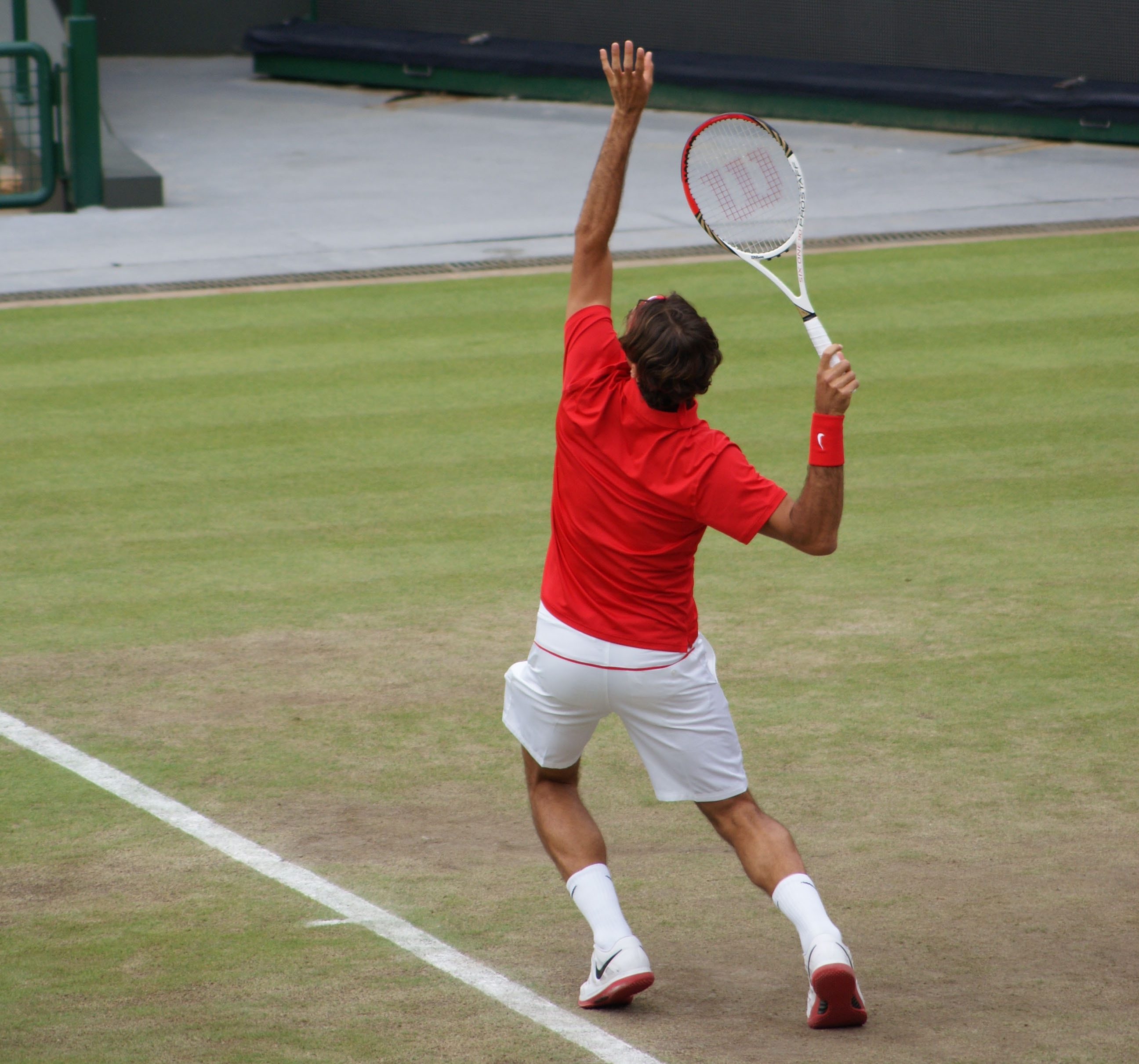
Who Sponsors Rafael Jodar? The Brands Backing Tennis’ Rising Star
Rafael Jodar doesn’t have a Rolex deal yet. He doesn’t have a fashion house, a luxury car brand, or a supplement sponsorship. What the Spaniard does have is a HEAD racquet, a rapidly improving ranking, and arguably the most explosive start to a professional tennis career since a certain other Spaniard named Carlos came along a few years ago.
The brands will come. Here’s why and what we know so far.
Who Is Rafael Jodar?
Jodar — full name Rafael Jódar Camacho — was born in Madrid on September 17, 2006. Yes, 2006.
He grew up training at Club de Tenis Chamartín in Madrid, inspired by his father and driven by an idol: Rafael Nadal. (He was not named after Nadal — the name Rafael runs through his father, grandfather, and great-grandfather. Just one of those things.) His second inspiration as he developed was Carlos Alcaraz, the Spaniard who proved that a young claycourt player from Spain could take over the world. Jodar has been taking notes.
Before going fully pro, Jodar spent time at the University of Virginia. He left in December 31, 2025, announcing he was turning professional full-time. He chose New Year’s Eve. There’s something appropriately dramatic about that for a player who doesn’t do things quietly.
Rapid Rise In Rankings
The numbers tell the story better than anything else.
Jodar started 2025 ranked No. 895 in the world. By the end of 2025 he was No. 166, having won three ATP Challenger titles — in Crete, Lincoln, and Charlottesville — and qualified for the Next Gen ATP Finals in Jeddah, where he saved four match points to beat top seed Learner Tien.
Then 2026 happened. He made his Australian Open debut as a qualifier in January. He won his first ATP Tour title at the Grand Prix Hassan II in Marrakech. And at the 2026 Italian Open in Rome, ranked well outside the top 50, he beat Alex de Minaur and João Fonseca to reach his first-ever Masters 1000 quarterfinal — before losing to the world No. 1 Jannik Sinner.
He became the third Spanish teenager to win three or more Challenger titles, joining Carlos Alcaraz and Nicolas Almagro.
What Equipment Does He Use?
The one confirmed piece of the puzzle: Jodar plays with a HEAD Speed MP, using the pro stock version internally coded TGT/PT 339. Tennis gear enthusiasts will recognise that as the same HEAD Speed family used by Jannik Sinner — currently the world’s No. 1 player.
Why Brands Should — and Will — Move Fast
Right now, he has a clothing and shoe sponsorship deal with Adidas. But that’s just the beginning.
The commercial logic here is straightforward. Let’s run through it.
He’s Spanish. The Spanish market is extremely valuable for sports brands, and Spanish tennis players have historically been among the most bankable athletes in the country. Alcaraz has shown exactly how high that ceiling goes. Local Spanish brands — food, banking, skincare, automotive — will be watching Jodar’s clay court run and doing the maths.
He’s young and climbing up the rankings. The brands that got to Sinner and Alcaraz early made the best deals. The window for a smart early signing is open right now, and any brand paying attention knows it.
He’s the right personality. Jodar is articulate, plays an exciting brand of tennis, and has the kind of backstory — junior Slam champion, college dropout turned pro on New Year’s Eve, rocket-fuelled ranking climb — that writes its own narrative. He’s also a Real Madrid fan who counts Jude Bellingham among his personal heroes, which hints at a crossover pop culture appeal that sports marketing teams love.
The Alcaraz comparison is already being made. That comparison — third Spanish teenager to win three Challengers, joining Alcaraz — isn’t just a stat. It’s a framing device that every brand pitching a deal will use. Whether or not it ultimately holds, right now it gets attention.
What to Expect Next
The first deals to watch for will almost certainly be equipment-related — a formal clothing and shoe announcement — followed by Spanish domestic brands. If his ranking holds or keeps rising through Roland Garros and the summer hard court season, the bigger names will follow by late 2026 or early 2027.
A luxury watch brand — Rolex being the obvious endpoint given where Sinner and Alcaraz landed — is likely still a few years away. Those deals tend to come after a player has established themselves at Grand Slam level, not just cracked the top 40. But the trajectory is pointed directly at them.